Growing a print business: photo centre or B2B?
A print business owner answers questions from ChatGPT in a video dated 12 December 2024. The discussion covers first orders, everyday work and the choice between a photo centre and B2B – services for other companies. Click a time to play the video from that point. The video is in Russian.
Questions and answers by the minute
0:11 Where do you start a print business?
In the presenter's story, a website for taking orders came first, followed by customers and the purchase of a photo printer. Later, regular orders from a photography studio helped them expand their equipment.
0:59 What equipment does a photo centre need?
The presenter highlights a photo lab, a DTF line for transferring prints onto fabric and UV-DTF for transfer stickers. They also mention an eco-solvent printer, which uses special inks. At their photo centre, these services bring in revenue every day.
1:21 Which types of printing does the presenter enjoy, and why?
The presenter enjoyed making canvas prints, then printing and cutting stickers, and later exploring other technologies. They link this interest to learning new things and creative work; once a process becomes routine, the enthusiasm fades.
2:09 What is the hardest part of maintaining an online printing website?
The presenter describes their online printing service as their most difficult project. The challenge is finding developers who will support it for years and passing on knowledge of the project when a new developer takes over.
2:36 What should you do about faulty prints?
In the presenter's experience, faulty prints cannot be avoided entirely in a print business. Each problem is dealt with according to the situation: the order is reprinted if necessary, and the faulty print is thrown away.
2:59 Do you have to buy equipment to offer branded printing?
In the video dated 12 December 2024, the presenter describes DTF and UV-DTF as trends. They link demand to branding – applying company designs – and personalised orders, and suggest outsourcing the printing if you do not have your own equipment.
3:20 Should you choose a photo centre or printing for businesses?
The presenter advises newcomers to consider working with companies. In their view, photo centres have low profit margins – the share of revenue left as profit – and face strong competition. They add a qualification: access to regular customers with interesting orders could change the choice.
Where do you start when choosing between a photo centre and serving companies?
Use the presenter's story as a reason to check where your orders will come from. Do you already have customers whose needs will shape your business, or do you still need to find them? When deciding whether to open, it helps to compare the account of starting the business with the qualification at the end of the video: who will order regularly?
This is our checklist, based on the video.
- Establish whether you have access to regular customers.
- Find out which products and types of printing they need.
- Compare those orders with what a photo centre and a printing service for companies would offer.
- Decide which work to do yourself and which to outsource.
How do you match equipment purchases to business needs?
Separate two questions: which types of printing you want to learn and which your customers will order. The discussion covers both sides of this choice. Revisit them before buying: your own interests help you choose a direction, while the story of the first orders prompts you to check who will keep the equipment busy.
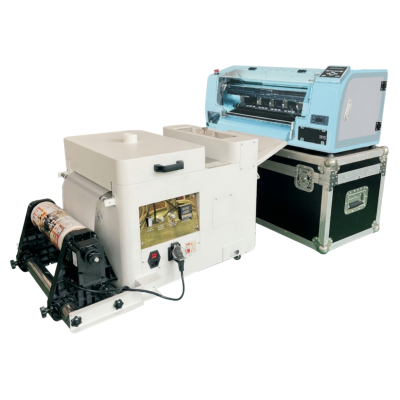
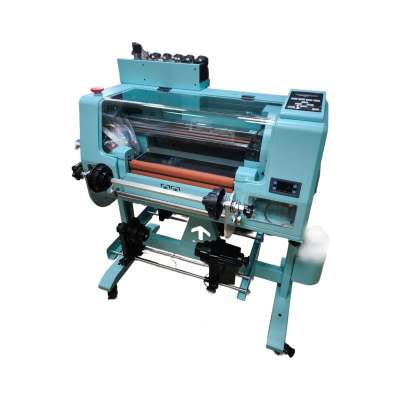
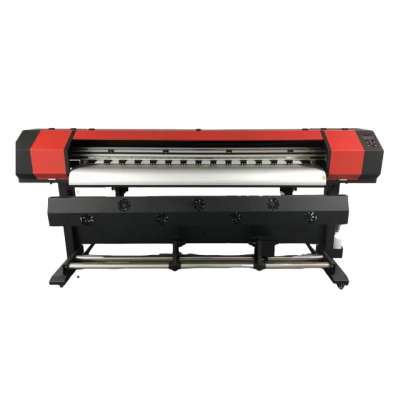
For comparison, similar equipment categories from the catalogue are listed below: a mini DTF line, an i3200-HD UV-DTF printer and an eco-solvent printer. The video does not name the exact model. The selection reflects the types of printing discussed.
What should you check besides the equipment?
Think separately about handling mistakes: who will investigate the cause of a faulty print and decide whether to reprint it? If you plan to build your own online ordering service, discuss long-term support and handing the project over to another developer in advance. This turns the questions from the talk into a check of how your future business will work day to day.