How to choose premises for a print shop and move in?
In the video dated 11 December 2025, the PrintChina team shows a move to new premises, from inspecting the future site to positioning the printers after delivery. The discussion connects the choice of location with how everyday work is organised. Click a time to play the video from that point. The video is in Russian.
Questions and answers by the minute
0:33 How do you know it is time to move your print shop?
Every spare corner of the old premises was occupied, leaving no room to expand. Production and the main office were on different floors, with storage in a separate location. Constant trips between them disrupted work.
1:27 Can you keep printing while moving a print shop?
In the video, work continues alongside preparations for the move: some printers are still needed for printing, while others are already being prepared for transport. The storage area was packed first. They do not expect to move everything in one go.
2:23 How do you choose a location for equipment demonstrations?
The location was chosen with visitors in mind: they come to see the equipment running and try printing. That is why the team looked for premises near the airport. Being close to the owner's home was another reason to choose the site.
3:21 Does a print shop need its production area in the city centre?
In this case, the city-centre office is kept for taking orders and handing over finished work. Production is moved elsewhere because they do not want to bring visitors into an area with smells and working clutter. The new site is on a lower ground floor without a deep descent.
5:19 What kind of entrance works well for large printers?
During the inspection, they value a wide, straight entrance with no steps. Going down into a basement and then turning is considered awkward when bringing in equipment. Separate customer and service entrances are planned.
7:38 Why does a print shop need round-the-clock access?
In the previous building, closing time limited working hours. At the new premises, they can keep printing or deal with a fault late in the evening. For the owner, this also comes with a short journey from home.
8:42 What should you look for when planning extraction for a printing line?
The premises already have ventilation outlets, which they plan to connect to the line's extraction system. The final arrangement is still being discussed. They also note the air conditioner and large windows during the inspection.
9:27 What helped get the printers running quickly after the move?
They attribute the quick start to the existing wiring, installed for refrigerators when the premises were a shop. However, the work is not finished: power still needs to be run to one wall. Doors and frames had to be dismantled to bring the equipment in, then put back.
10:57 What was the hardest part of transporting the printers?
A heavy machine was difficult to bring down from the upper floor. Another printer would not fit straight through a doorway and had to be turned. They also stress the importance of preparing equipment properly for transport so that fluids do not leak.
15:50 How can you keep visitors separate from print production?
A reception counter is planned for the new customer area to separate visitors from production. They want to offer copying and basic photo services here. For now, the city-centre office handles these services, and no date has been set for fitting out the new area.
How should you compare premises before choosing?
Start by considering who will visit the site: customers collecting finished work or buyers coming to see printing in action. In the video, these roles are divided between the city-centre office and the new production site. When comparing options, it helps to consider the location alongside the purpose of the premises.
This is our checklist, based on the video.
- Plan the equipment's entire route: out of the old premises, down to ground level, and through doors and turns at the new site.
- Compare the planned machine layout with the existing wiring and ventilation outlets.
- Check access hours: will the building let you finish work after the normal working day?
What should you plan after positioning the printers?
Getting the equipment inside does not complete the move. In the video, even after the printers are running, boxes remain, belongings need sorting and workstations still need setting up. They plan to keep some items and throw others away.
For the fabric printing area, they plan to store T-shirts opposite the equipment and label the shelves. They want a panel for tools so that staff know where to find what they need. This is a separate task in addition to positioning the machines themselves.
Pay attention to the condition of additional rooms too. At the first inspection, heating the spacious storage area is only a plan; later, it is still described as cold. The potential for future improvements and readiness for work at the time of the move are different things here.
How should you use the equipment selection?
Below are similar machines from the catalogue, rather than confirmed models from the video. The selection includes a printing line, a flatbed printer that prints on a table and a roll printer. The video does not name the exact model.
Equipment in the catalogue
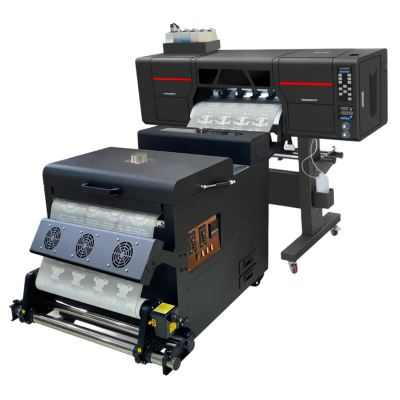 DTF line 60 cm ST-602, 2*i3200
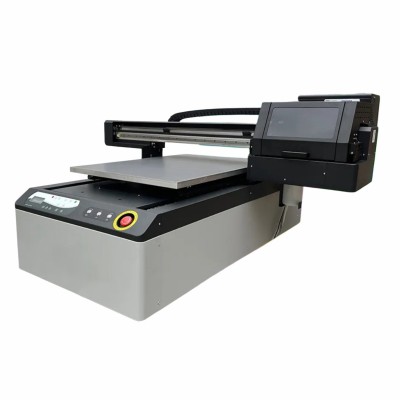 Flatbed UV printer ST-6090, table 60×90 cm, 3 heads
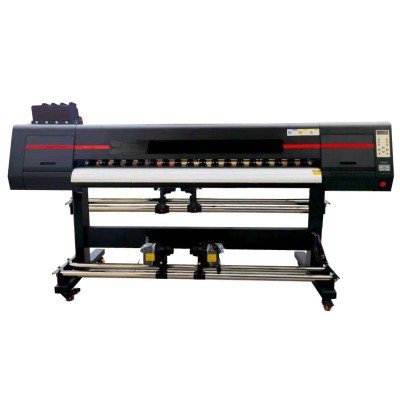 Roll-to-roll UV printer 160 cm 1602UV, 2×i3200