Replacing the manifold on i3200 and XP600 heads
The manifold is a plastic part that distributes ink between the channels of a printhead. Pigment, the particles that give ink its colour, can accumulate inside it. The video shows manifold replacement on two i3200 heads that had lain for months with dried DTF ink. DTF means printing onto film to transfer an image to fabric. The experiment shows the limits of this repair. Click a time to play the video from that point. The video is in Russian.
Questions and answers by the minute
0:03 How do you remove the old manifold from an i3200?
In the video, the engineer uses a Phillips screwdriver to undo four screws, notes the label orientation and removes the head from the manifold. This describes the disassembly and subsequent checks shown. Do not repeat these procedures yourself; contact a service technician.
1:25 What is inside a dried head?
Settled pigment is visible in the white ink channels, blocking the passages. In the video, the engineer carefully removes it with a fine syringe needle, trying not to push it further inside.
2:20 What is the gasket for?
The gasket is a seal that keeps ink away from the contacts. According to the engineer, a new manifold may come with or without one. In the video, he removes deposits from the old gasket, taking care not to tear it, and transfers it to the new manifold. The gasket and the head must fit precisely into their grooves.
3:18 How are the screws tightened?
In the video, the engineer tightens the screws crosswise, first securing all corners lightly and then tightening them further. He stresses that the gasket needs firm pressure without excessive force. A drop getting past it can cause a short circuit and damage the circuit board too.
3:43 How do you check the assembly?
In the video, the engineer feeds cleaning fluid into a channel with a syringe and checks for leaks at the side and working nozzles. Nozzles are the small openings through which the head releases ink. Some channels in these heads are completely blocked with dried ink.
6:23 Does ultrasound help?
In the video, the channels gradually open during ultrasonic cleaning, but they remain far from fully restored. The engineer describes this method as a last resort and a «one-way road». The contacts are easily flooded.
8:07 What did the hot alcohol experiment show?
In the hot alcohol experiment, some channels opened after the manifold had been replaced. The engineer warns against using alcohol with the old manifold because the DTF ink inside it will coagulate. These were heads the engineer could afford to lose. Do not repeat the experiment; contact a service technician.
10:05 When does a new manifold help?
According to the engineer in the video, if the head is in normal condition and its nozzles open after cleaning, replacing the manifold may help without ultrasound. If ink has dried inside the nozzles, replacement alone is insufficient. Most channels were flushed clear in the experiment, but the engineer concludes that these heads will no longer produce quality prints.
How can you tell it is the manifold?
The video of 25 February 2024 (in Russian) describes this symptom: the test looks good after cleaning, but the colour drops out again after a few centimetres of printing. Before attributing this to the manifold, the dampers (chambers that feed ink to the head) and the ink itself are checked.
What is different on XP600?
In the video of 7 June 2024 (in Russian), an engineer replaces the manifold on a DTF XP600 head. The list below describes features of the work shown. Do not attempt the disassembly, sealant cutting or flushing yourself; contact a service technician:
- the head is secured at the factory with sealant, a sealing compound that the engineer cuts along the sides;
- white ink sets fast, so the removed head goes straight onto a cloth soaked in DTF cleaning fluid;
- the raised side of the gasket fits into the manifold grooves;
- the screws are tightened crosswise and not overtightened: the threads are plastic;
- before fitting, channels are checked by dripping cleaning fluid through them without pressure;
- if the contacts get wet, the head is not fitted until they are dry.
Can you just wash the old manifold?
According to the engineer, the effect is short-lived with white ink: pigment keeps washing out. A manifold that can be opened and has no filter mesh is advised only if all channels have fresh filters.
Do it yourself or call an engineer?
One drop on the contacts can cost the head and the circuit board. Do not repeat the experiments shown yourself. Contact the service for manifold replacement.
Heads and cleaning fluid
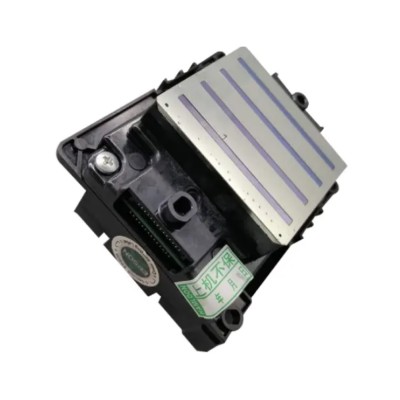 Epson i3200 printhead E1
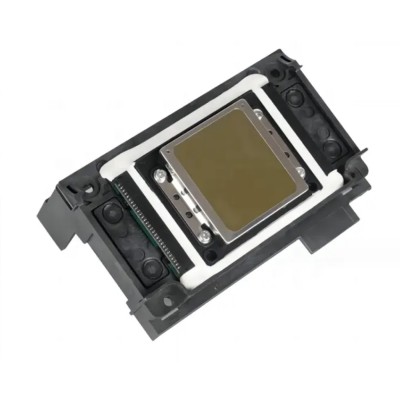 Epson XP600 printhead, genuine
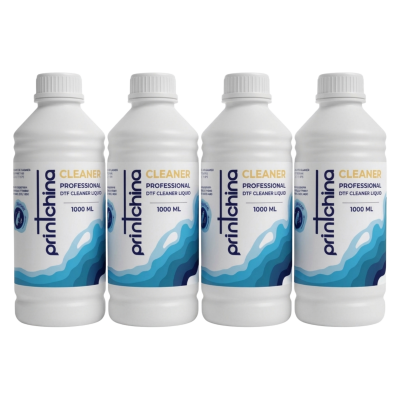 DTF printer cleaning fluid (DTF Cleaner)
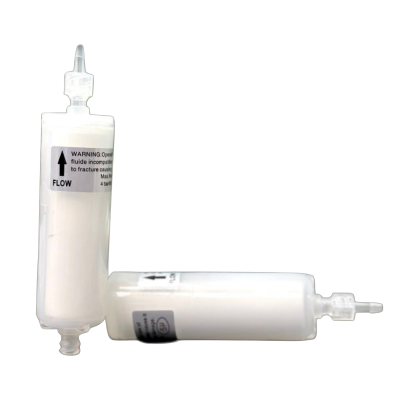 DTF ink filter, 5 micron