UV-DTF for branding: why a business needs it
UV-DTF prints an image on film for transfer to a hard object. The video dated 6 July 2024 discusses branding – applying logos and other brand graphics. Click a time to play the video from that point. The video is in Russian.
Questions and answers by the minute
0:00 What is a UV-DTF transfer made of?
A white layer is printed first, followed by colour and an optional varnish coating. The resulting image is raised above the surface, with fine lettering still clearly visible.
0:53 Can transfers be prepared in advance?
Yes, transfers can be printed in advance and stored until needed. They can then be cut and applied to the chosen object.
1:19 How is direct UV printing different?
Direct UV printing applies the image straight to the object. The video explains that the texture of wood or metal remains noticeable, while a transfer covers it.
2:11 What about a glass with an uneven shape?
According to the presenter, direct printing will not produce a good result on the glass shown, which narrows and widens along its body. A small transfer is suggested for this object, as a large image may not sit flat around the curves.
3:27 Is the transfer water-resistant?
The video describes the transfer as water-resistant. It also advises against trying to pick it off with your fingernails.
3:52 Which printheads – the printer parts that apply ink – does the video recommend for UV printing?
The video recommends i3200 or i1600 printheads. The presenter expresses a preference for i3200.
4:45 What does a hybrid offer?
A hybrid is a printer that prints both on film and directly on objects. A rotary attachment turns the object during printing, allowing direct printing on straight-sided cylindrical bottles. This segment also suggests applying preprinted transfers to souvenirs and phone cases during an event, such as a wedding.
5:43 Can the raised effect be adjusted?
The video says that the raised effect of a transfer can be adjusted during printing. The presenter highlights the raised surface and fine lettering on the sample shown.
6:40 What about gold and silver?
The method shown requires special film and a printhead for adhesive varnish – a coating that the gold or silver finish sticks to. The printhead needs maintenance even when that finish is not being printed.
How to start a UV-DTF business?
The video discusses equipment and possible types of orders:
- Printing transfers on film and printing directly on objects.
- Choosing a printhead – see more about heads.
- Applying images to laptops, glasses, phone cases and souvenirs.
- Making transfers for retail customers and wholesale orders for photo shops, print shops and photo studios.
How to apply a transfer?
In the demonstration, a transfer is placed on a glass and smoothed down. A second transfer is then applied to the other side of the glass to display images on both sides.
Machines and film
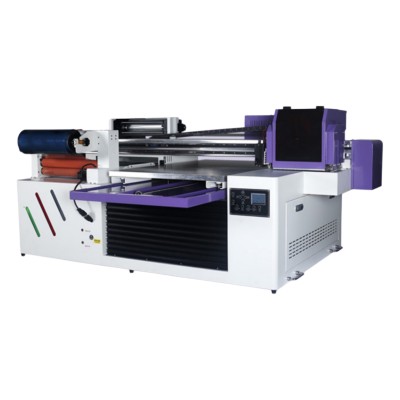 UV DTF printer ST-6090Plus, table 60×90 cm, roll 30 cm
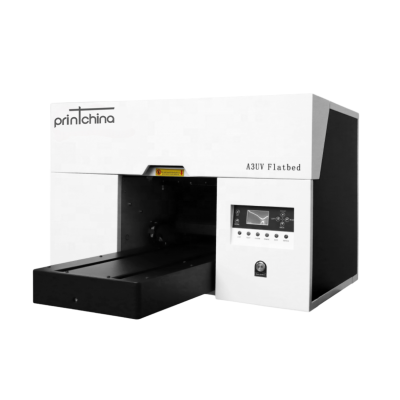 A3 UV printer (IUV-A3UV), i3200-HD, UV and UV DTF hybrid
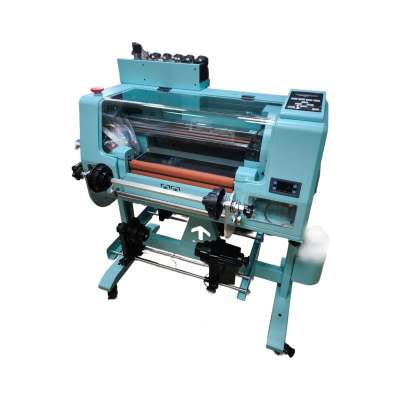 UV DTF printer 30 cm, i3200-HD
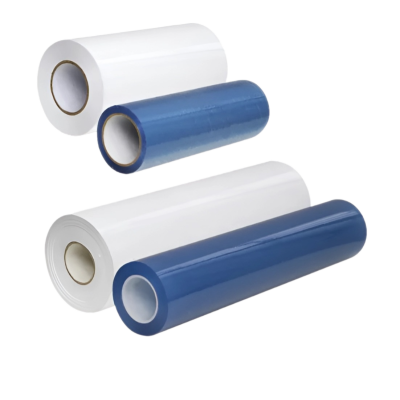 UV DTF film, A+B kit, 100 m roll
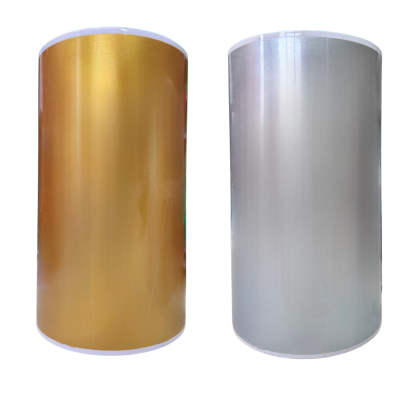 UV DTF film 30 cm gold or silver + film B, 100 m