UV-DTF on textile: volume, washing and transfer
UV-DTF on textile prints raised fabric stickers that look like embroidery. In the video of 9 May 2025 they are stretched, torn, washed and put on a T-shirt and leather. Click a time to play the video from that point. The video is in Russian.
Questions and answers by the minute
0:24 What is such a printer calibrated on?
The printer is set up using ordinary DTF film, which carries printed designs for transfer to fabric, because film specifically for textile UV-DTF costs more. The number of passes, meaning repeated movements of the printhead, the component that applies ink, over the same area, and the height of the raised design are adjusted separately.
2:07 Does the print stretch?
Yes, within reason it stretches and returns. Pulled too hard, it tears at once without warning cracks.
3:54 Why is the film not sticky?
The presenter notes that the film is initially non-sticky and becomes sticky when heated. The suggested explanation is that heat melts the adhesive. White ink builds the raised layer, and colour goes on top.
5:39 What are the drawbacks?
Volume takes a lot of ink, and consumables and the machine are not cheap: the video gives prices as of May 2025. It is expensive for simple T-shirts and interesting for premium goods.
7:20 How fast does it print?
In the video, the speed is 2.6 square metres an hour at 8 passes, with a resolution of 720 by 2400, a setting for print dot density, and three white ink passes. This produces high relief, meaning a raised design, but it is not the limit.
7:46 What did washing show?
In the video, the print came off after washing at 60°C and 1200 rpm. The presenter attributes this to the adhesive melting. The sticker stayed in place after the delicate wash shown.
9:29 How is it transferred to fabric?
The video shows a trial transfer with the fabric heated from below. It explains that heating from above can also stick the application film, which carries the design, to the fabric. After removing it, the sample is pressed in a heat press, a device that applies pressure and heat; the stated time is 5 seconds. Do not repeat this experiment; contact a service technician to set up the transfer process.
11:13 Does it hold well?
In the video the edge could not be picked with a nail. Under a strong pull it tears, and so may the fabric.
13:26 Can it go on leather?
In the video it was put on a passport cover and holds when bent. A little adhesive remained around it, which the presenter attributes to the lack of a table heated from below.
Can an ordinary UV-DTF printer be converted?
The video of 25 March 2025 (in Russian) advises against conversion and specifies a lamp power of 1500 W. The lamps are positioned further from the printheads, the components that apply ink. The rail along which the printing unit moves may be too short. Light reaching a printhead can cause ink to harden inside it.
What is the machine made of?
The video of 2 May 2025 (in Russian) shows the assembly of a machine with three i3200 printheads. Two apply white ink to build the raised design, and there is room for a fourth printhead. Panels enclose the machine. Pressure in the laminator, the unit that joins the films, is adjusted manually. The presenter notes that the control panel is hidden behind a sliding panel.
How to care for the item?
- Wash on a delicate cycle without hot water.
- Do not pull the print.
- For frequent washing choose another technology; caps and backpacks are fine.
Machines and materials
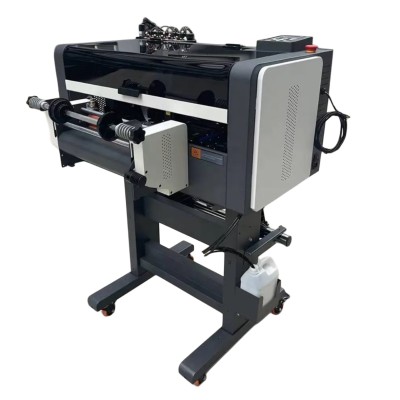 UV DTF printer 30 cm for textiles, 3×i3200
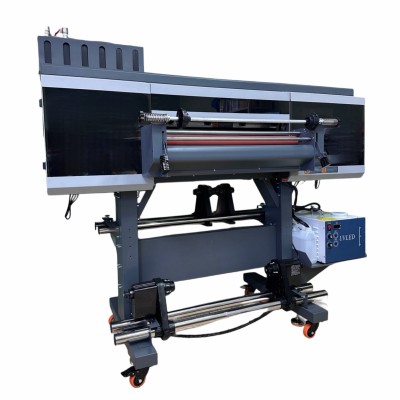 UV DTF printer 60 cm for textiles, 3×i3200
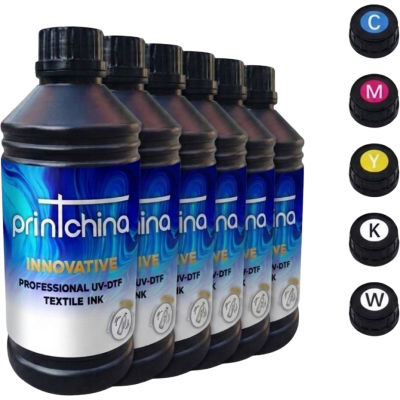 UV-DTF ink for textiles, 1 L
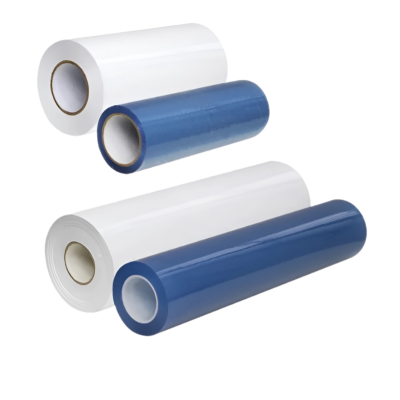 UV DTF film for textiles, A+B kit, 100 m
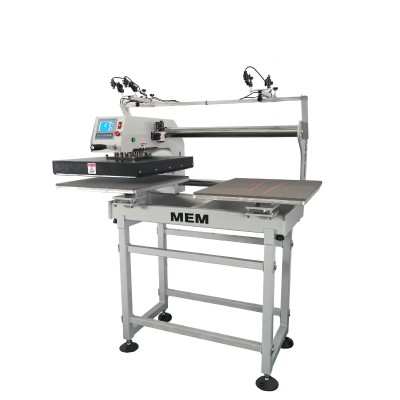 MEM TQ-4050 pneumatic heat press, 2 tables 40×50 cm