UV-DTF on textile: details and who should pass
The video of 20 May 2025 discusses UV-DTF for textiles – transferring a raised design from film onto fabric. It compares this with ordinary DTF – printing a design on film and then transferring it onto fabric. PrintChina explains who the technology may not suit. Click a time to play the video from that point. The video is in Russian.
Questions and answers by the minute
0:25 Why can a client not apply it with an iron?
In ordinary DTF, adhesive is only under the print. Here the whole film is coated with adhesive, including areas without a design.
1:19 What happens if you heat from above?
The application film – the film used to transfer the design – sticks to the fabric. Removing it can pull out fibres and damage the item.
1:44 What is needed for the transfer?
The video names a heat press – a device that transfers a design using heat and pressure – with a heated lower plate. But it stresses that equipment alone is not enough: without experience, the item can be damaged.
2:36 Is it the same on light and dark fabric?
According to the speaker, a small amount of adhesive left on white fabric is not visible and comes off with washing. On dark fabric, adhesive outside the design leaves a mark.
3:28 Who should not choose it?
In the speaker's view, the technology does not suit those who want to give clients finished prints to apply at home with an iron. Those planning to apply ordered prints themselves are advised in the video to order samples first and practise ten times.
4:21 Why learn it?
For raised designs and an embroidery effect on fabric and leather. In the speaker's view, other technologies do not offer this effect.
How to practise?
- The video suggests starting with samples if experience and equipment are lacking.
- The speaker notes that, without the necessary skill, applying a print to a finished item brought in by a client feels daunting.
- He recalls trade show demonstrations where fine details of the design remained intact during transfer.
- According to him, the team had already gained some experience and achieved the same result.
- The video discusses heating and pressing. Do not repeat these techniques based on a brief description; contact a service specialist.
Has anything changed since?
This video does not show what changed afterwards. For a related article on combining the technologies, see the guide.
Machines and materials
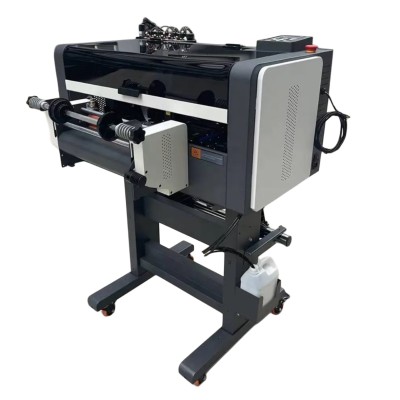 UV DTF printer 30 cm for textiles, 3×i3200
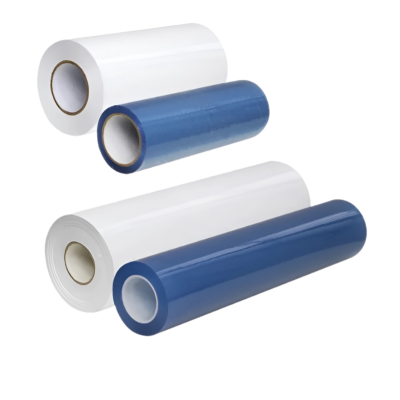 UV DTF film for textiles, A+B kit, 100 m
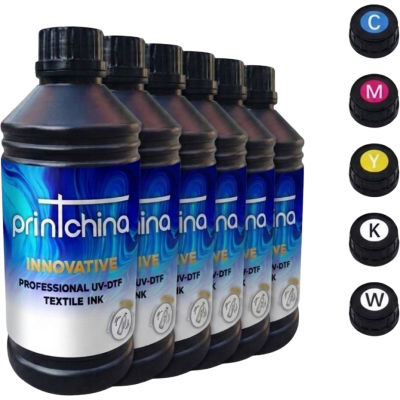 UV-DTF ink for textiles, 1 L
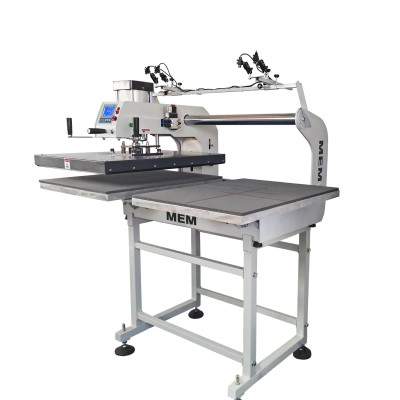 MEM TQ-5060 pneumatic heat press, 2 tables 50×60 cm